Wholesale Inflation Rose in October to Highest Annual Rate in Nearly Four Years
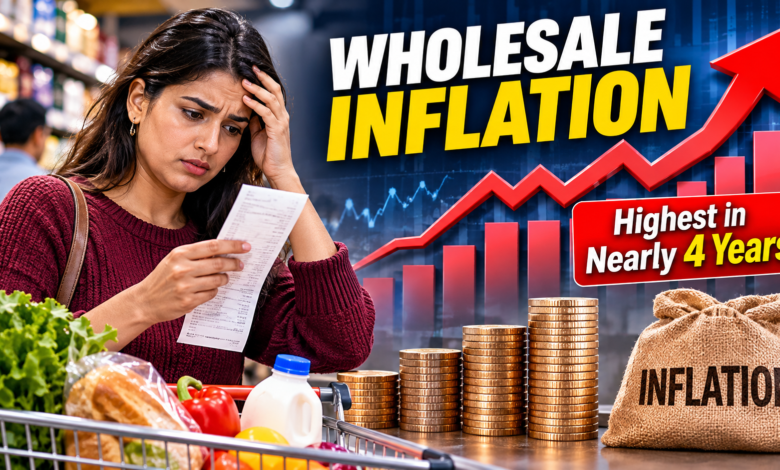
Bureau of Labor Statistics data shows U.S. wholesale inflation climbed to 6.5% annually in October—its highest level since November 2022—driven by surging freight, food, and electronic component costs.
Elevated energy costs continue to ripple across U.S. supply chains, driving up production expenses for businesses and setting the stage for additional price increases for American households in the months ahead.
According to data released Friday by the Bureau of Labor Statistics (BLS), wholesale inflation accelerated in October to its steepest annual pace in nearly four years. The Producer Price Index (PPI)—which tracks average price changes received by domestic producers and manufacturers—increased 0.3% month-over-month and jumped 6.5% over the 12 months ended in October, marking the highest yearly reading since November 2022.
Excluding volatile food and energy categories, core PPI climbed 0.3% for the month and 5.0% annually, matching its fastest pace since January 2023.
Energy, Trucking, and Food Prices Lead October’s Surge
The ongoing conflict with Iran and resulting global energy supply disruptions have pushed gasoline and diesel prices substantially higher in recent months. While fuel prices rose more slowly in October than in September—when overall PPI surged 1.4% monthly to reach a 6.3% annual rate—persistent upstream cost pressures kept wholesale inflation elevated.
| Wholesale Inflation Category | October Monthly Change | Annual / Notable Benchmark |
| Headline PPI (All Items) | +0.3% | +6.5% YoY (Highest annual rate since Nov. 2022) |
| Core PPI (Ex-Food & Energy) | +0.3% | +5.0% YoY (Highest annual rate since Jan. 2023) |
| Wholesale Food Prices | +1.3% | Fastest monthly jump since July 2022 (after +1.1% in Sept.) |
| Fresh & Dry Vegetables | +26.7% | Follows a 30.7% surge in September |
| Electronic Components & Accessories | +4.2% (6-month high) | +31.7% YoY (Highest annual increase in BLS records dating to Dec. 1966) |
Freight Costs Ripple Into Produce and Chemicals
Wholesale food costs posted their sharpest monthly rise in over four years, led by truck-transported produce. BLS figures show that long-haul trucking freight costs have climbed nearly 25% year-over-year, directly inflating prices for fresh and dry vegetables alongside warehousing expenses and key industrial inputs like chemicals.
Why Consumers Could See More Price Hikes in 2027
Although the Producer Price Index does not translate one-for-one into the Consumer Price Index (CPI), sustained spikes at the wholesale level often foreshadow retail price increases down the road.
Matt Bush, U.S. economist at Guggenheim Investments, noted that businesses have already passed certain fuel costs directly onto consumers through higher airfares—while broader transportation and input hikes typically take six to eight months to reach store shelves.
“And it’s complicated by the fact that we also have some lingering tariff effects on a lot of these consumer goods prices,” Bush explained. “That’s when the majority of businesses do their annual price resets. In the case of the energy shock, there was an expectation that it could be short-lived; but given it’s gone on for several months now, I think as we head into the new year that you will see a lot of businesses deciding they need to pass on at least some of these costs.”
AI Infrastructure Boom Adds Another Price Layer
Rapid corporate investment in artificial intelligence hardware is also feeding upstream inflation. Prices for electronic components and accessories surged 31.7% year-over-year—the largest annual jump since BLS began tracking the category in December 1966. Bush pointed out that while component prices do not hit households immediately, they indirectly push up retail tags on computers, televisions, and software.
What October’s Inflation Data Means for the Federal Reserve
Friday’s hotter wholesale report—arriving just days after an above-forecast October Consumer Price Index reading—strengthens expectations that the Federal Reserve will raise interest rates at its early December policy meeting.
-
December Rate Debate: Financial markets are largely pricing in a quarter-percentage-point (25 bps) rate hike, though Fed Governor Christopher Waller recently suggested a half-point (50 bps) increase could be warranted.
-
2027 Policy Outlook: Nationwide senior economist Ben Ayers cautioned that tightening may extend beyond December, writing that “lingering impacts from the spike in fuel prices could linger into 2027, warranting further tightening by the Fed to limit second and third order inflation impacts.”
Frequently Asked Questions
What was the U.S. wholesale inflation rate in October?
According to Bureau of Labor Statistics data, the Producer Price Index (PPI) rose 0.3% in October and 6.5% on an annual basis—the highest yearly rate since November 2022.
What drove wholesale prices higher in October?
Elevated diesel and freight transportation costs (up nearly 25% year-over-year), a 1.3% monthly jump in wholesale food prices, and record 31.7% annual inflation in electronic components and accessories all fueled October’s PPI increase.
How could October’s PPI report affect interest rates and consumer prices?
Combined with a hot October CPI report, rising wholesale inflation increases the likelihood of a Federal Reserve interest rate hike in December—and could lead businesses to pass higher input costs onto consumers during early 2027 annual price resets.